CHURCH OF SANTA MARIA
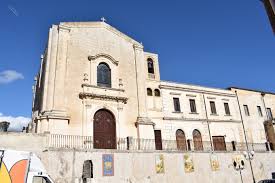
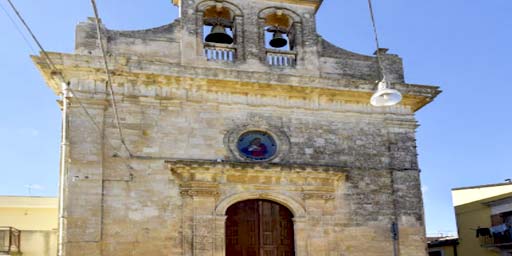
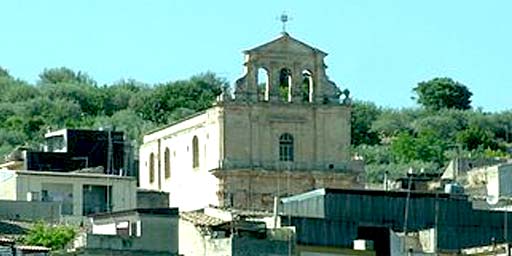
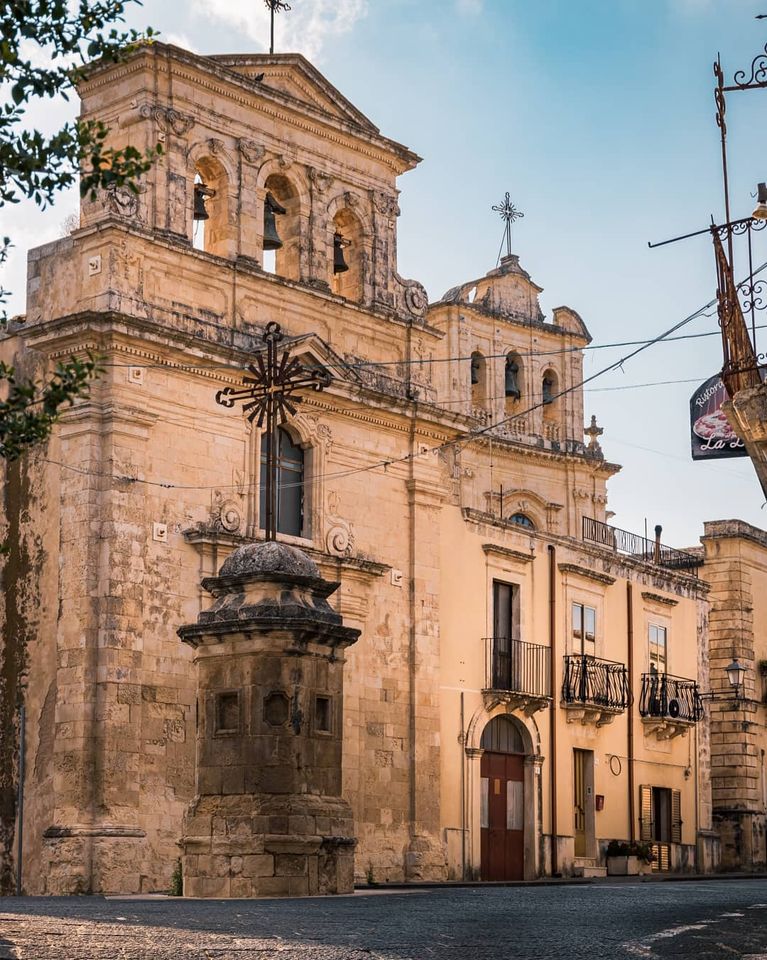
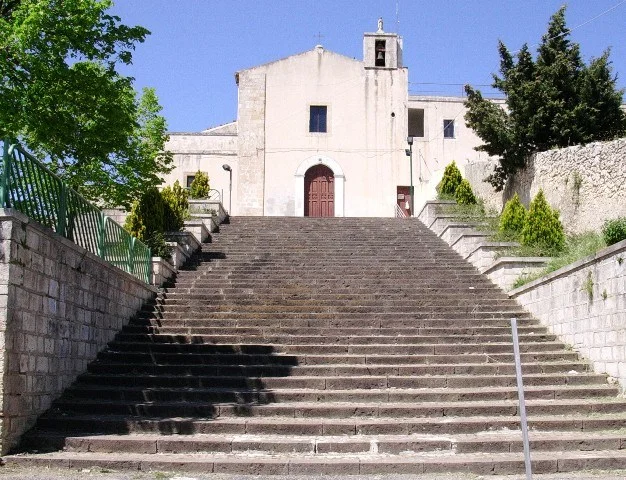
Originally located 500 paces from the town center, as tradition dictated, the Church of Santa Maria and the annexed 19th-century Convent (expropriated by the Italian State) were entirely rebuilt after the 1693 earthquake and only completed in the mid-18th century.
Originally located 500 paces from the town center, as tradition dictated, the Church of Santa Maria and the annexed 19th-century Convent (expropriated by the Italian State) were entirely rebuilt after the 1693 earthquake and only completed in the mid-18th century.
Although the single-nave plan appears simple, this architectural casket holds treasures of immense artistic and devotional value.
Preserved within the church are two highly prized artistic artifacts: the wooden Crucifix by Fra Umile di Petralia from 1633, and the statue of Santa Maria La Bianca.
According to local tradition, the face of Christ on the crucifix changes expression depending on the angle from which it is observed, a play of shadows and faith typical of the Sicilian Baroque.
Equally fascinating is the life-sized marble statue with precious gilding of Santa Maria La Bianca; though lacking documentary sources, it likely dates back to the 15th-century style of Gagini.
Legend has it that the statue was found in the open countryside by farmers from different municipalities. To decide where to keep it, they chose to trust fate and loaded the image onto a cart driven by oxen: it was the animals who chose the direction and stopped where the Church of Santa Maria stands today.