“DA CACOCCIULA” FOUNTAIN AND ANCIENT BOROUGH QUARTERS
In the heart of Piazza San Sebastiano shines the "A Cacocciula" Fountain. Meaning "artichoke" in the local dialect, its name refers to the characteristic pine-cone termination, a motif tied to farming traditions.
In the heart of Piazza San Sebastiano shines the “A Cacocciula” Fountain. Meaning “artichoke” in the local dialect, its name refers to the characteristic pine-cone termination, a motif tied to farming traditions.
A late-Baroque jewel from the 18th century, it is made of local stone and is distinguished by its large basin and a shaft adorned with anthropomorphic masks from which water flows.
A symbol of prosperity and hospitality, the fountain is the emblem of a community that was able to rise again after the 1693 earthquake.
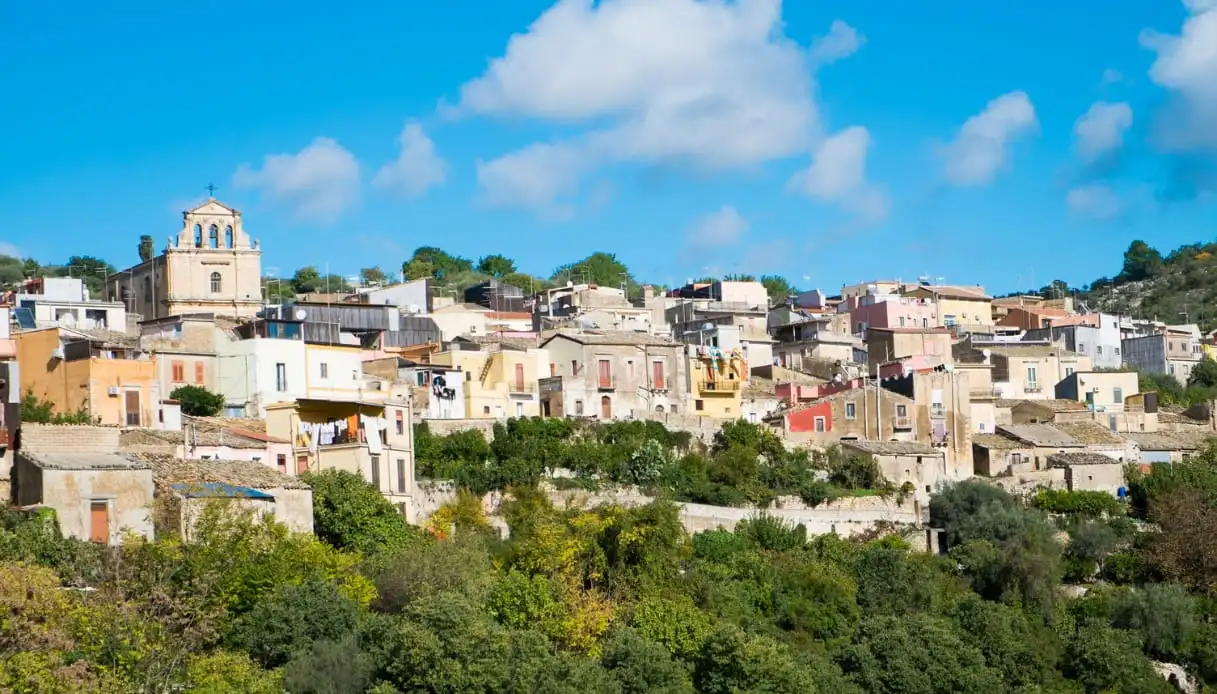
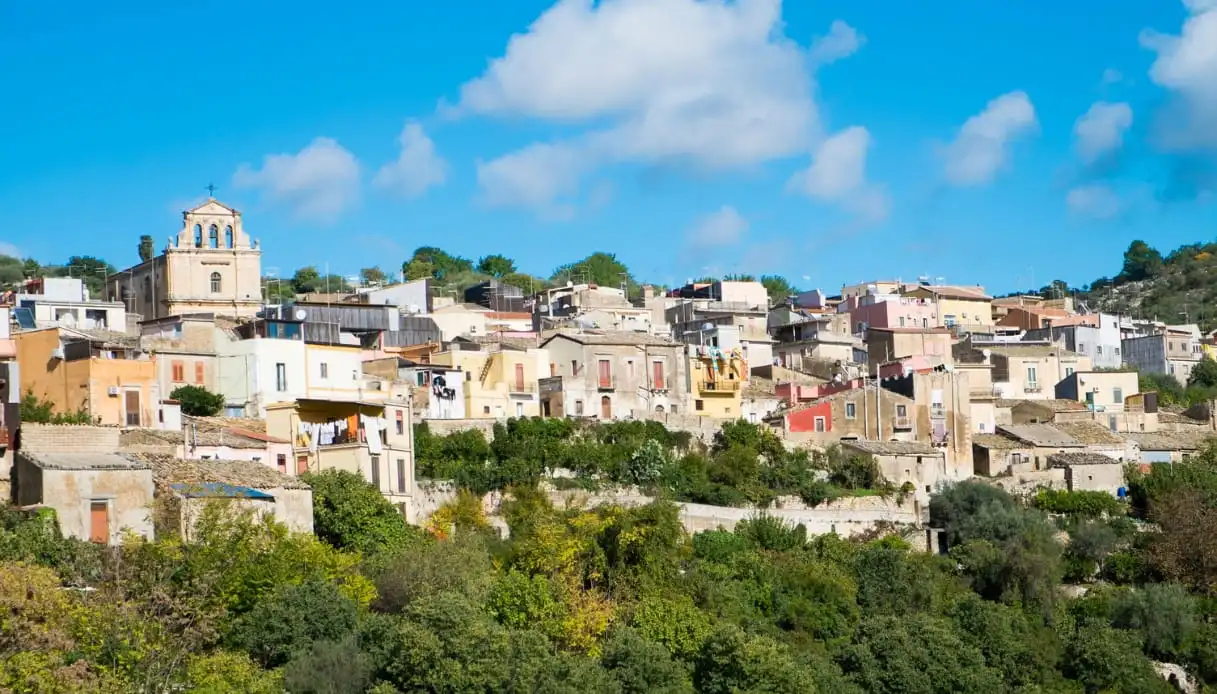
Ferla, a UNESCO-listed village and one of the “Most Beautiful Villages in Italy,” boasts a millennial history predating Greek colonization.
The urban fabric is a palimpsest of civilizations: from rock-cut necropolises to the Norman settlements of Castelverde and Sant’Agrippina.
Although the 1693 earthquake redesigned the city’s face toward Baroque modernity, its medieval soul survives intact in the Carceri Vecchie (Old Prisons) Quarter.
Here, among narrow alleys and stairs carved into the rock, architecture blends with the stone of the Hyblaean Mountains, offering a suspended atmosphere where historical memory meets the beauty of the present.