CHURCH OF SANT’ANTONIO AND THE QUATTRO CANTI
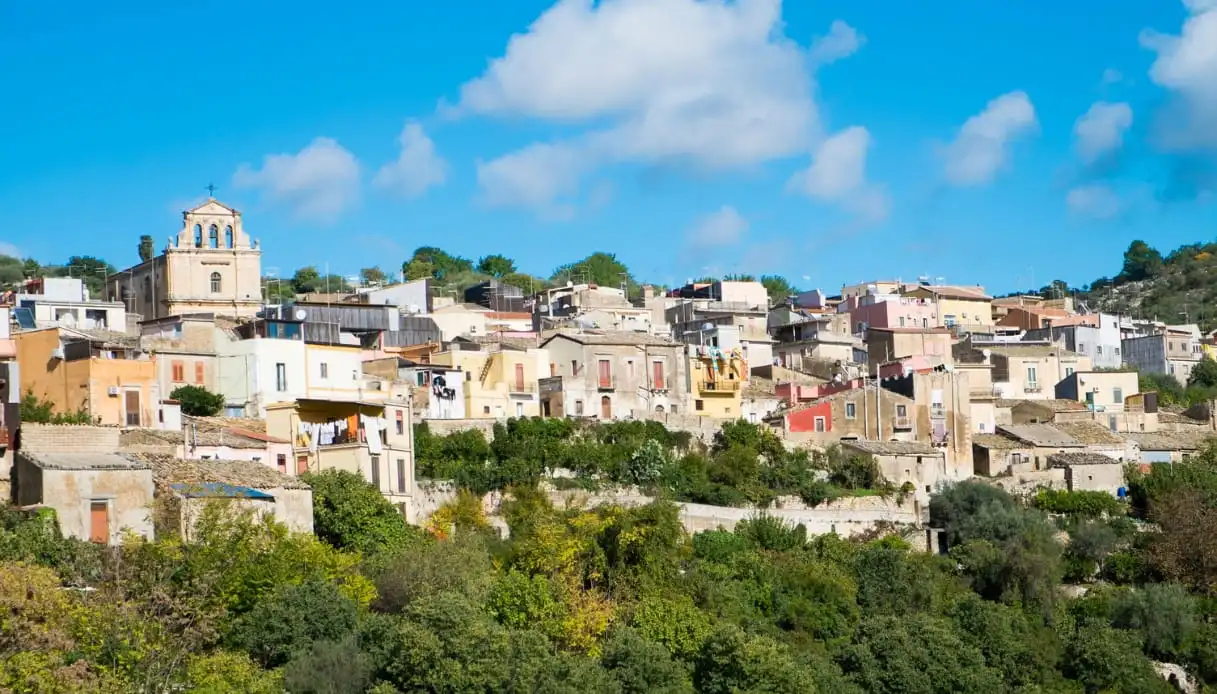
After the devastating 1693 earthquake, Ferla was reborn further north on Mount Rigoria, following a cruciform plan between noble palaces (Via Umberto) and Via Vittorio Emanuele—the "Sacred Way" lined with churches.
After the devastating 1693 earthquake, Ferla was reborn further north on Mount Rigoria, following a cruciform plan between noble palaces (Via Umberto) and Via Vittorio Emanuele—the “Sacred Way” lined with churches.
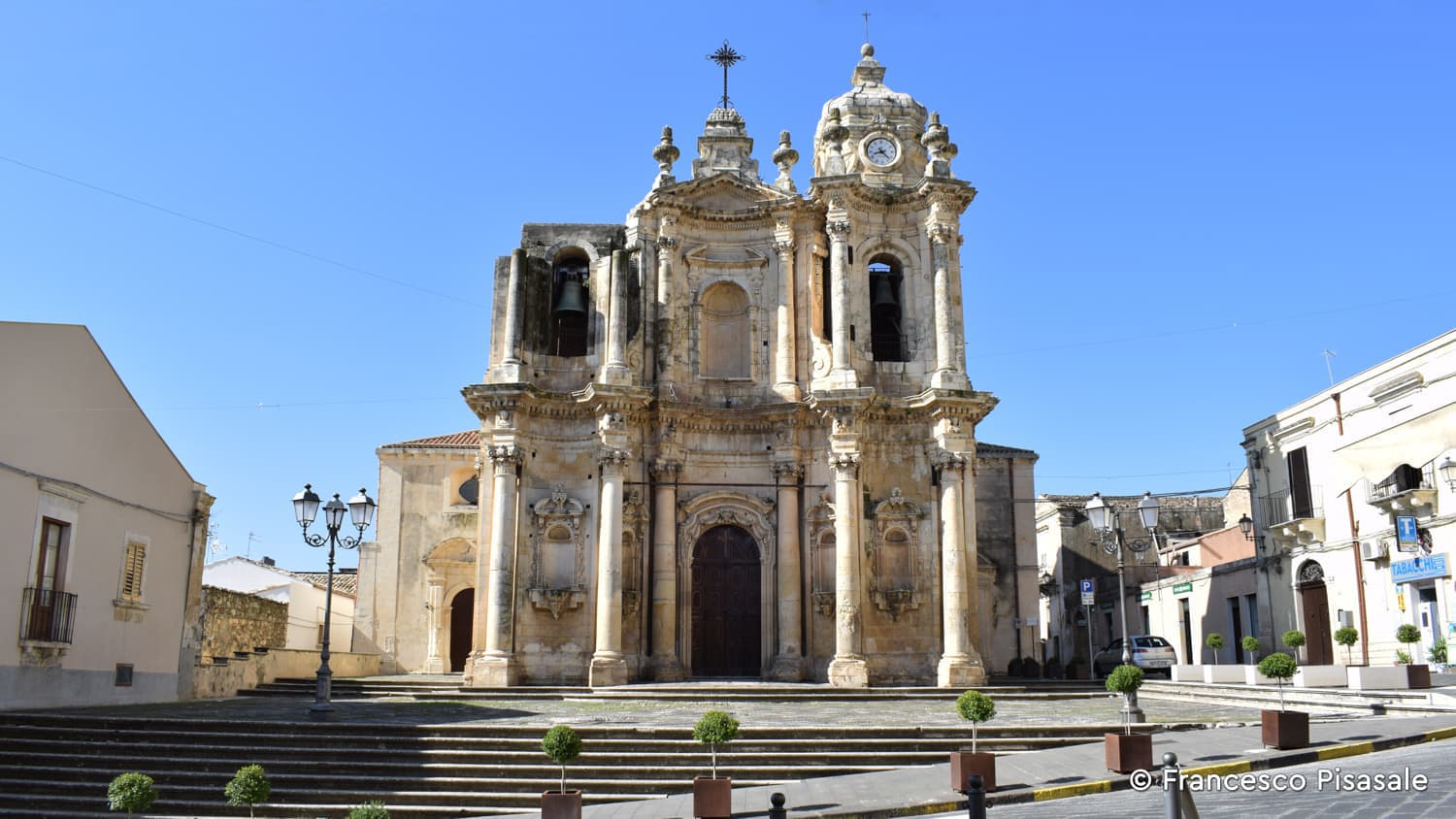
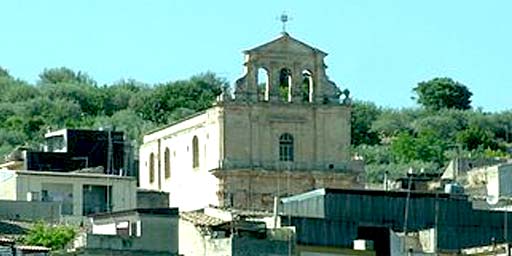
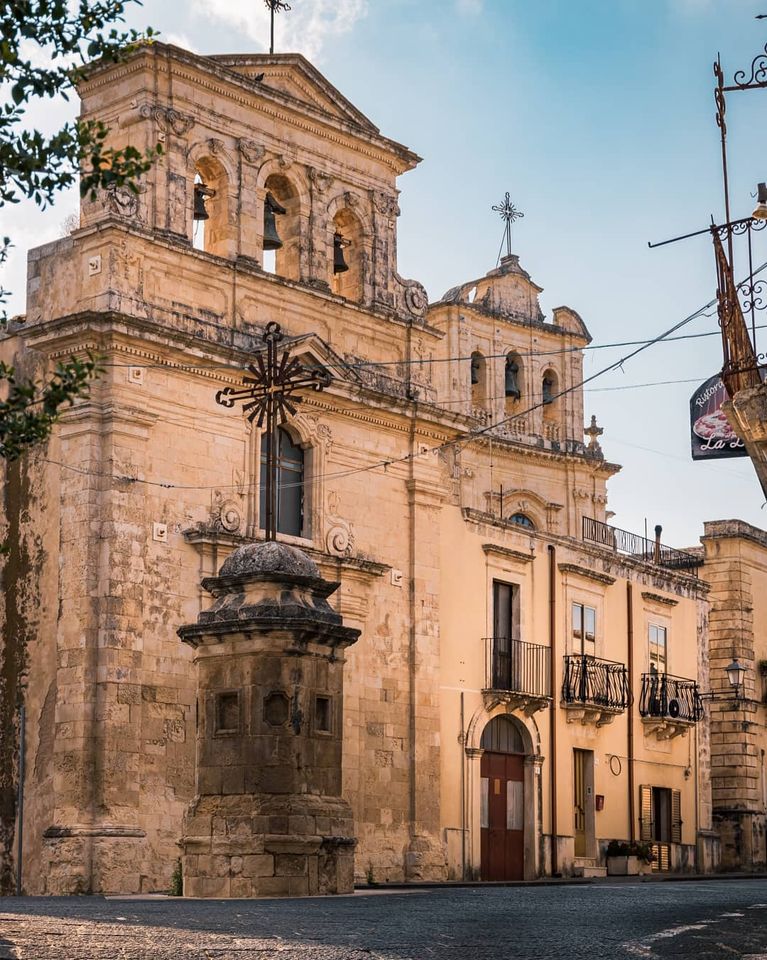
The fulcrum of this new center is the Church of Sant’Antonio, rebuilt in the 18th century based on a project by the monk-architect Michele da Ferla, and today a National Monument.
Unique in southeastern Sicily for its Greek cross plan, the church enchants with a Baroque façade featuring three concave sections, the two lateral ones ending in bell towers.
The left tower lost its small dome in 1909, likely following the Messina earthquake of the previous year.
Stepping inside, the interior reveals the scenic genius of the 18th century: niches hidden by ingenious mechanisms create a “Baroque surprise” effect, revealing exquisite sculptures linked to local religious tradition.
Looking up toward the dome, one can admire the fresco “Apotheosis of Saint Anthony the Abbot,” surrounded by personifications of the four continents known at the time.